Introduction: The West Coast Construction Difference
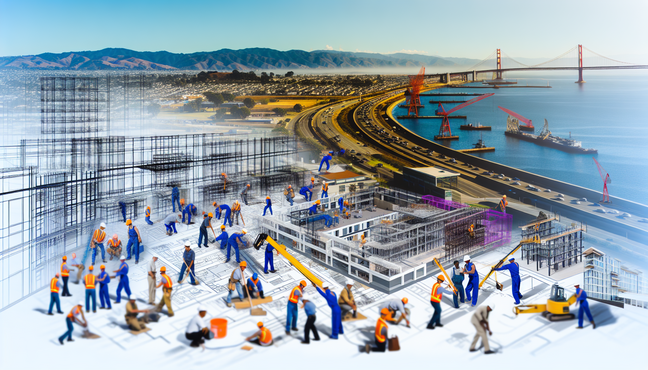
The construction landscape on the West Coast is marked by numerous distinct features that set it apart from other regions. The interplay of diverse terrains, from coastal areas to mountainous regions, demands innovative building techniques and materials tailored to specific environmental challenges. For instance, seismic activity in California has led to strict building codes focused on resilience and safety, aligning construction practices with sustainability principles. As a result, many contractors prioritize eco-friendly materials and energy-efficient designs, responding to the growing demand for sustainable practices. For more insights into sustainable construction practices, check out our article on green building trends.
Moreover, the West Coast is characterized by a robust tech industry, driving advancements in construction technologies such as Building Information Modeling (BIM) and Prefabrication. These innovations enhance project efficiency and quality, allowing for better resource management and reduced waste. With the transition towards smart building solutions, including IoT integration, West Coast construction firms are redefining industry standards and operations.
The region also boasts a rich cultural diversity that influences architectural styles and design philosophies, leading to unique urban developments. As a result, projects often reflect a fusion of contemporary and traditional elements, appealing to a broad spectrum of clientele. Understanding these components is essential for appreciating the dynamic nature of West Coast Construction, where quality and innovation converge to establish a vibrant marketplace ripe with opportunities and challenges.
Commitment to Quality: Building Beyond Standards
At West Coast Construction, our commitment to quality is evident in every project we undertake. We prioritize the selection of premium materials that not only enhance durability but also ensure aesthetic appeal. By sourcing top-grade materials from reputable suppliers, we guarantee that our structures stand the test of time and remain visually impressive.
Craftsmanship is another cornerstone of our dedication to quality. Our skilled workforce is trained in the latest construction techniques and adheres to best practices, enabling us to deliver superior results. Continuous education and training for our craftsmen ensure that they are well-equipped to execute their tasks with precision and care, reflecting our standards of excellence.
Adhering to rigorous safety codes is paramount in everything we do. We understand that a solid foundation in safety not only protects our workers but also our clients and the community at large. Our safety protocols exceed the industry standards, promoting a culture of safety awareness that is integral to our operations. This commitment is evidenced by our consistent compliance with local and national safety regulations, which helps us to mitigate risks effectively. By combining high-quality materials, exceptional craftsmanship, and stringent safety measures, West Coast Construction doesn’t just aim to meet standards; we strive to exceed them, forging a reputation built on trust and reliability. For more insights into our quality assurance practices, visit our main website at Construction Solution Inc..
Innovative Techniques in Modern Construction
Innovative techniques are revolutionizing the construction industry, and West Coast Construction is at the forefront of this transformation. By integrating advanced technologies and methodologies, the company enhances efficiency, sustainability, and overall project outcomes.
One prominent technique is Building Information Modeling (BIM), which allows for digital representation of physical and functional characteristics of projects. BIM facilitates collaboration among stakeholders, reduces costs, and minimizes errors during the construction process. According to a study, projects using BIM can see up to a 20% reduction in construction costs and a corresponding decrease in time delays [Source: NAIOP].
Another innovative approach is modular construction, which involves pre-fabricating building sections off-site and then assembling them on-site. This method not only speeds up construction timelines but also minimizes waste, contributing to sustainability goals. Studies have indicated that modular construction can reduce project schedules by 30% [Source: Space Data Associates].
West Coast Construction also employs green building technologies, embracing materials and practices that reduce the environmental footprint. Innovations such as energy-efficient systems, sustainable materials, and water conservation practices are integral to their projects, aligning with the industry’s push towards eco-friendly construction. The U.S. Green Building Council notes that green buildings can lead to a 25% reduction in energy consumption [Source: USGBC].
Through the adoption of these and other techniques, West Coast Construction exemplifies how modern construction can prioritize innovation, leading to better outcomes for clients and the environment alike. For more on sustainable and innovative construction practices, visit our article on sustainable building practices.
Case Studies: Successful Innovations in Action
These case studies illustrate the successful integration of innovation and quality in real-world projects, demonstrating how theoretical principles can be effectively applied to overcome practical challenges.
- The High Line, New York City
The transformation of an abandoned elevated railway into the High Line park exemplifies innovative urban design. Faced with challenges such as structural integrity and community integration, the project team collaborated with local residents and architects to create a green space that met ecological and aesthetic goals. The use of native plants and reclaimed materials not only revived the area but also set a precedent for sustainable urban development. This project highlights how innovative thinking can repurpose existing structures to benefit urban environments. [Source: The High Line] - Bosco Verticale, Milan
The Bosco Verticale (Vertical Forest) towers redefine residential architecture by incorporating biodiversity into urban living. Designed to combat air pollution, the project faced challenges related to sustainability and maintenance of the extensive greenery. The architects employed cutting-edge irrigation systems and selected plant species that require minimal maintenance, ensuring the buildings remain viable long-term. This innovative approach demonstrates how integrating nature into architectural design can create healthier urban ecosystems. [Source: Bosco Verticale] - King Street Connects, Seattle
This project aimed to bridge the gap between downtown Seattle and its waterfront by introducing a pedestrian-friendly corridor. Challenges included navigating existing urban infrastructure and balancing multiple stakeholder interests. By utilizing community feedback through workshops and planning sessions, the team devised a design that prioritizes pedestrian access while enhancing local businesses. The successful engagement of stakeholders exemplifies how innovation in urban planning can foster community connections. [Source: City of Seattle] - The Eden Project, Cornwall
The Eden Project is an ambitious undertaking that features biomes housing diverse plant species. The project faced significant logistical challenges, such as sourcing materials and ensuring the environmental viability of the biomes. Innovative engineering solutions, like the use of geodesic dome structures, allowed for the creation of large interior spaces that can mimic various climates. This example showcases how innovative construction techniques can address environmental challenges while promoting biodiversity education. [Source: Eden Project] - Rooftop Urban Farming, Chicago
Engaging in urban farming on rooftops, Chicago has embraced local food production in an innovative manner. This initiative encountered regulatory barriers and zoning restrictions, but through partnership with local authorities and community organizations, these challenges were addressed. The project demonstrates how innovative agricultural practices can enhance food security and promote sustainability in densely populated urban areas. [Source: City of Chicago]
Future Trends: What Lies Ahead for West Coast Construction
The future of construction on the West Coast is poised for transformative changes driven by technological advancements, sustainability practices, and evolving labor dynamics. As the region grapples with housing shortages and infrastructure needs, innovative approaches will be crucial.
One prominent trend is the adoption of modular and prefabricated construction techniques, which enhance efficiency and reduce waste. These methods allow for significant time savings and can lead to lower overall project costs. With projects like high-rise buildings being modularized, companies can better manage timelines and budgets while maintaining quality standards [Source: For Construction Pros].
In parallel, sustainability is becoming a critical focus, with a significant push toward green building practices. The West Coast is at the forefront of this movement, with California’s stringent energy efficiency standards leading many construction firms to prioritize eco-friendly materials and renewable energy solutions. Companies investing in sustainable practices not only meet regulatory requirements but also cater to a growing consumer demand for environmentally responsible buildings [Source: NAIOP].
Another emerging trend is the integration of smart technology into construction processes, from design to project management. Innovations such as building information modeling (BIM) and the Internet of Things (IoT) enable better planning, real-time collaboration, and efficient resource management. Firms that embrace these technologies will likely outpace competitors by streamlining operations and enhancing communication among stakeholders [Source: Architectural Digest].
Additionally, addressing labor shortage concerns through workforce development initiatives is vital. With an aging workforce and declining numbers of skilled tradespeople, companies on the West Coast must invest in training and educational partnerships to equip the next generation. Efforts to promote diversity in construction careers can also enhance workforce capabilities and innovation [Source: AGC].
In conclusion, the West Coast construction industry is on the brink of significant evolution. By embracing modular construction, prioritizing sustainability, leveraging smart technology, and investing in workforce development, companies like West Coast Construction can position themselves as leaders in this dynamic landscape, ultimately shaping the future of the built environment. [Source: Construction Solution Inc]
Sources
- AGC – How Construction Technology Can Help Bridge the Labor Shortage
- Architectural Digest – The Future of Construction Is Smart & More Efficient
- Bosco Verticale – Vertical Forest Towers
- City of Chicago – Urban Agriculture
- Eden Project – The Eden Project
- For Construction Pros – West Coast Prefab Buildings Trend on the Rise
- The High Line – The High Line
- NAIOP – How Using BIM in Construction Can Reduce Costs and Delay
- NAIOP – Sustainable Building Design: A Growth Opportunity
- City of Seattle – King Street Connects
- Space Data Associates – The Impact of Modular Construction on Project Schedule and Costs
- USGBC – The Impact of Green Building