




Indoor-Outdoor Living in Coastal Environments
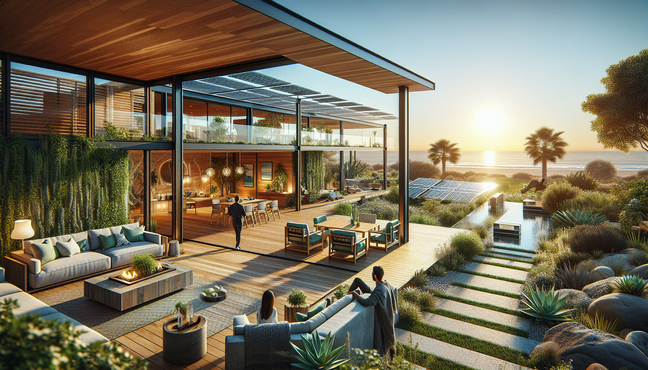
Indoor-outdoor living in coastal environments epitomizes the seamless blend of nature and home, offering numerous benefits that enhance well-being and foster a connection with the surrounding landscape. This lifestyle encourages an expansive design philosophy where barriers between indoor and outdoor spaces diminish, inviting fresh air, natural light, and ocean views into everyday living.
One primary advantage of this approach is the significant boost to mental health. Studies have shown that exposure to natural elements can reduce stress, enhance mood, and improve overall mental clarity. For instance, spending time outdoors in nature can lower cortisol levels, thereby fostering a sense of calm and relaxation [NCBI].
Additionally, incorporating elements like large glass doors or retractable walls can create fluid transitions between spaces, allowing for an enjoyable and adaptable living environment. These features not only enhance aesthetic appeal but also maximize natural ventilation, promoting energy efficiency within the home [Ecohome].
Furthermore, the integration of outdoor living areas such as patios, decks, and gardens can encourage a healthier lifestyle. Engaging in outdoor activities and gardening has been linked to increased physical activity, which contributes to better physical health and improved quality of life. Research indicates that even simple interactions with nature, such as tending to a garden, can yield significant psychological benefits, including reduced anxiety and enhanced brain function [APA].
Ultimately, embracing indoor-outdoor living promotes a holistic lifestyle that values the natural world and its positive effects on mind and body. For those looking to create this environment, resources like Construction Solution Inc. offer valuable insights and guidance on how to facilitate a harmonious relationship between indoor spaces and the natural beauty of coastal living.
Coastal Renovations
Coastal renovations embody a unique blend of aesthetic appeal and environmental consciousness. The fundamental design principles center around natural light, open spaces, and a color palette that mirrors the coastal landscape—think soft blues, sandy beiges, and crisp whites. These hues not only evoke serenity but also enhance the feeling of connection to the outdoors.
When it comes to materials, sustainability plays a pivotal role. Utilizing environmentally friendly resources such as reclaimed wood, bamboo flooring, and recycled glass not only reduces the ecological footprint but also adds character to coastal homes. For instance, “using reclaimed wood can provide a beautiful, rustic look while being eco-conscious” [Green Building Advisor].
Additionally, incorporating large windows and sliding doors allows for an abundance of natural light and breathtaking views, further blurring the lines between indoor and outdoor living. This design strategy not only creates a vibrant atmosphere but also promotes energy efficiency by reducing the need for artificial lighting during the day.
Landscaping also contributes to coastal renovations; native plants that require minimal water can enhance the exterior while being beneficial to the local ecosystem. Emphasizing local flora ensures that the environment is respected and preserved during renovations, resulting in a harmonious balance between human habitation and nature.
For more specific insights into designing your coastal space, check out our detailed guide on planning your perfect beach house renovation [Construction Solution].
Tips for Designing Indoor-Outdoor Connections
Designing spaces that seamlessly connect indoor and outdoor areas enhances the flow of natural light and creates inviting living environments. Here are several tips and tricks to achieve this harmony in your designs:
- Open Floor Plans: Embrace open floor plans that allow for unobstructed views and transitions between indoor and outdoor spaces. Using large doors or windows can visually enlarge your space and connect it with the outdoors.
- Use of Glass: Maximize natural light with large windows, sliding glass doors, or bi-fold doors. These features not only enhance the aesthetic appeal but also allow for a more immersive experience with the surrounding nature. According to a study by the Journal of Environmental Psychology, natural light significantly boosts mood and wellbeing.
- Complementary Materials: Utilize natural materials like wood, stone, or plants both inside and outside to establish a cohesive look. This strategy creates a seamless transition and evokes a sense of continuity between the two spaces.
- Outdoor Living Areas: Incorporate outdoor patios, decks, or terraces that extend from your home. Furnishing these areas similarly to your indoor spaces encourages use and makes them feel like an extension of your living area.
- Landscaping: Invest in landscaping that compliments your indoor spaces. Use plants, pathways, and screens that draw the eye outward while maintaining privacy. Integrating natural elements can enhance tranquility and connection with nature.
- Lighting: Consider layering your lighting by using both indoor and outdoor fixtures that work in harmony. Dimmer switches can enhance the ambiance, allowing you to adjust the mood as needed for different times of day.
- Color Palette: Carry the same color palette from indoors to outdoors. Soft, muted tones create a relaxing environment, while bolder colors can be used to draw attention to specific features.
By implementing these strategies, you’ll create spaces that not only feel larger and more open but also invite a deeper connection to the outdoors, enriching daily living experiences. For more information on enhancing your living environments, explore additional resources at Construction Solution Inc..
Coastal Decor Ideas
Coastal decor is all about infusing spaces with light, airy elements reminiscent of the beach. To create a seamless indoor and outdoor coastal aesthetic, consider incorporating the following stylish ideas:
- Furniture: Choose furniture in soft, muted tones such as whites, sandy beiges, and seafoam greens. Weather-resistant materials like teak or aluminum are excellent for outdoor settings, while slipcovered sofas and wicker chairs offer a relaxed vibe indoors. Look for pieces that allow for easy mixing and matching to enhance a laid-back yet chic atmosphere.
- Accessories: Incorporate soft textiles like linen and cotton in light colors for cushions, throws, and curtains. Use natural materials like jute or sisal for rugs and decorative baskets, adding texture and warmth. Coastal-themed accessories such as driftwood sculptures or seashell centerpieces can bring that beachy flair inside your home or outdoor patio.
- Art: Art is essential in setting the tone for your coastal decor. Select artwork that features ocean scenes, marine life, or coastal landscapes. Large canvases with light, serene colors can create a focal point in both indoor and outdoor spaces. Additionally, consider using framed photographs of beach getaways or nautical-themed prints to enhance the coastal atmosphere.
- Lighting: Opt for fixtures that evoke the essence of the sea, such as lanterns, pendant lights made from natural fibers, or fixtures in coral or ocean blue hues. The goal is to create a subtle ambiance that reflects natural light, mimicking the glow of sunset by the beach.
- Indoor-Outdoor Flow: Use plants and greenery to bridge the gap between indoor and outdoor areas. Potted palms or succulents can be placed strategically near windows or patios to blur the lines of where the outdoors end. Mirrored surfaces or large glass doors can further enhance this feeling of openness and connection to nature.
By combining these elements thoughtfully, you can create a harmonious coastal oasis that feels both stylish and inviting, whether you’re entertaining guests or enjoying a quiet moment alone. For more ideas on home decor, check out our other article on modern decor inspirations.
Budgeting for Coastal Renovations
When embarking on a coastal renovation project, it’s vital to establish a detailed budget that accounts for all aspects of the renovation. Start by researching the average costs of renovations in coastal areas, which tend to be higher due to factors like accessibility and specialized materials. A good rule of thumb is to allocate 10% to 15% of your total budget for unexpected expenses, as coastal projects can often present unforeseen challenges.
Sourcing materials that are suitable for humid and salty environments is crucial. Look for weather-resistant options such as treated wood, fiber cement siding, and high-performance windows to ensure longevity. Local suppliers can provide insights on the best products for your specific region; consider visiting Construction Solution Inc for recommendations and sourcing tips.
Hiring professionals experienced in coastal renovations can save you time and money in the long run. Seek out contractors who understand local building codes and can handle the intricacies of coastal construction. Getting multiple quotes is essential; analyze each for their scope of work and past project references. You might also want to consult with coastal design experts who can enhance your vision with functional aesthetics.
Finally, familiarize yourself with the permitting process in your area, as coastal renovations often require specific approvals. Engage with your local planning department early in the project to avoid delays and ensure compliance with regulations. Collectively, these strategies will help you smoothly navigate the complexities of your coastal renovation project.
Sources
- APA – Nature’s Impact on Mental Health
- Ecohome – The Indoor-Outdoor Connection
- Green Building Advisor – Wood and Decking: Reclaimed Materials
- Construction Solution Inc. – Home
- Construction Solution – Planning Your Perfect Beach House Renovation
- Construction Solution – Modern Decor Inspirations
- NCBI – Natural Elements and Mental Health
- Journal of Environmental Psychology – Natural Light Effects